A website is no longer optional it's the foundation of how customers discover, evaluate, and trust a business. But building and maintaining that foundation manually, with hand-coded pages and no easy way to update content, is a losing strategy in 2026. That's where CMS website development services come in.
A Content Management System (CMS) gives businesses the power to build, edit, and scale a website without needing a developer for every small change. Whether you're a solo entrepreneur launching your first site or an enterprise managing thousands of pages across multiple markets, the right CMS approach paired with the right development partner can be the difference between a website that grows with your business and one that becomes a liability within a year.
This guide walks through everything businesses need to know about CMS website development in 2026: what it actually involves, which platforms dominate the market, how it connects to website development and SEO services, and how to choose a website development services company that fits your goals and budget.
What Is a CMS, and Why Does It Matter?
A Content Management System is software that allows you to create, edit, organize, and publish digital content without writing code from scratch. Instead of manually editing HTML files every time you want to update a page, add a blog post, or change a price, a CMS gives you a dashboard where these changes take minutes, not days.
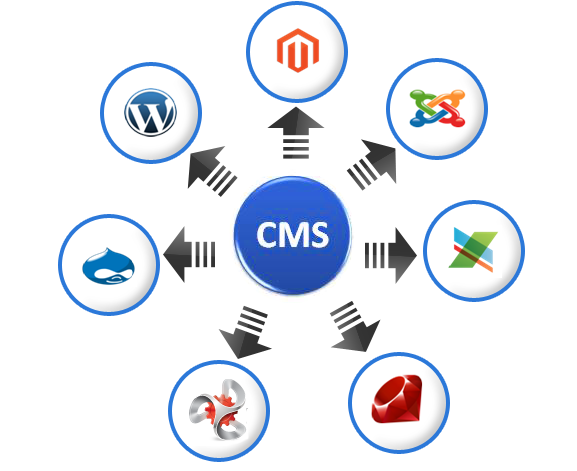
The most common CMS platforms today include WordPress, Shopify, Webflow, Drupal, and various headless CMS solutions like Contentful or Sanity. Each has strengths depending on the type of business and website involved.
Why CMS-based development matters for businesses:
Speed of updates: Marketing teams can publish content without waiting on a developer
Lower long-term costs: Ongoing changes don't require custom code work every time
Scalability: Most CMS platforms support plugins, integrations, and modules that grow with your needs
SEO flexibility Modern CMS platforms are built with SEO-friendly structures, making it easier to pair with website development and SEO services
Team collaboration: Multiple users can manage content, products, and pages with defined permission levels
For businesses evaluating website design and development services, understanding CMS options up front is critical because the platform you choose shapes everything downstream: design flexibility, plugin ecosystem, hosting requirements, and total cost of ownership.
Types of CMS Website Development Services
Not all CMS development work looks the same. Depending on your business model, you might need one or several of the following services.
1. WordPress Website Development Services
WordPress powers a significant share of websites worldwide, and for good reason: it's flexible, well-documented, and supported by an enormous ecosystem of themes and plugins. WordPress website development services typically include:
Custom theme design and development
Plugin selection, configuration, and custom plugin builds
Site speed optimization
Security hardening (login protection, malware scanning, firewall setup)
Migration from other platforms
Ongoing maintenance and updates
WordPress is particularly popular among small businesses, content-heavy sites, blogs, and service-based companies because it balances ease of use with strong customization potential. A skilled website developer services provider can turn a basic WordPress install into a fully branded, high-performing business website.
2. Custom Ecommerce Website Development Services
For businesses selling products online, a general-purpose CMS often isn't enough on its own. Custom ecommerce website development services focus on building storefronts using platforms like WooCommerce (built on WordPress), Shopify, Magento, or fully custom solutions. This typically includes:
Product catalog structuring and variant management
Secure payment gateway integration
Shipping, tax, and inventory configuration
Custom checkout flows to reduce cart abandonment
Third-party integrations (CRM, email marketing, accounting software)
Performance optimization for high-traffic sales periods
Ecommerce development is one of the more technically demanding areas of CMS work because it directly ties into revenue. A slow checkout page or a broken payment integration doesn't just hurt user experience it costs sales directly. This is why many businesses look specifically for a website development services company with proven ecommerce experience rather than a generalist.
3. Website Development and SEO Services
Building a website is only half the equation it also needs to be found. Website development and SEO services combine technical development with search optimization from the ground up, including:
SEO-friendly URL structures and site architecture
Optimized page speed and Core Web Vitals
Mobile responsiveness and mobile-first indexing readiness
Schema markup implementation
On-page SEO elements (meta titles, descriptions, header structures)
Internal linking strategy baked into the site's navigation
The best results come when SEO isn't treated as an afterthought bolted on after launch, but as a core part of the development process itself. A professional website development services provider will typically involve SEO considerations at the wireframe and architecture stage, not just after the site goes live.
4. Small Business Website Development Services
Small businesses often have different needs than larger enterprises: tighter budgets, faster timelines, and a need for websites that can be managed without a dedicated in-house team. Small business website development services usually emphasize:
Cost-effective CMS platforms (commonly WordPress or Squarespace-style builders)
Simple, intuitive content editing for non-technical staff
Local SEO setup (Google Business Profile integration, location pages, local schema)
Mobile-optimized design, since a large share of local searches happen on phones
Lead-generation features like contact forms, click-to-call buttons, and booking integrations
A good provider in this space understands that small business owners need a website that works hard without requiring constant hands-on management.
5. Custom CMS Development
Some businesses outgrow off-the-shelf CMS platforms entirely, particularly those with complex workflows, large content volumes, or unique data structures. In these cases, CMS website development services may involve building a custom or headless CMS solution that entirely separates the content backend from the frontend presentation layer. This approach offers:
Maximum flexibility in frontend design and technology choice
Faster performance, since the frontend can be built with modern frameworks
Easier omnichannel content delivery (web, mobile app, kiosk, etc.)
Tailored editing experiences built around specific business workflows
Custom CMS development is a bigger investment upfront but can pay off significantly for businesses with complex or high-growth content needs.
Key Features to Look for in a CMS Website Development Partner
Whether you're hiring a website development services company for a simple brochure site or a full custom ecommerce platform, certain qualities separate strong partners from risky ones.
1. Platform expertise across multiple CMS options A provider that only knows one platform will push it regardless of fit. Look for teams comfortable across WordPress, Shopify, Webflow, and headless solutions, so the recommendation is based on your needs, not their limitations.
2. A process that includes SEO from day one As covered above, website development and SEO services work best when integrated from the planning stage. Ask potential partners how they handle site architecture, page speed, and technical SEO during development, not just after launch.
3. Transparent pricing and scope Reliable professional website development services providers give clear breakdowns of what's included design, development, content migration, testing, training, and post-launch support rather than vague all-in-one quotes that leave room for scope creep.
4. Mobile-first design as standard With the majority of web traffic now happening on mobile devices, any website design and development service worth considering should treat responsive, mobile-first design as a baseline requirement, not an add-on.
5. Post-launch support and training A website isn't a one-time project it needs updates, security patches, and content changes. Strong providers offer maintenance packages and train your team to manage day-to-day content edits independently.
6. Portfolio and case studies relevant to your industry A provider with experience in your specific niche retail, professional services, healthcare, SaaS will understand common pitfalls and opportunities faster than a generalist.
7. Clear communication and project management Website projects involve many moving parts: design approvals, content collection, integrations, testing. A provider with a structured project management process will keep the build on schedule and avoid costly delays.
CMS Website Development Costs: What to Expect
Pricing for cms website development services varies widely depending on complexity, platform, and scope. While exact numbers depend on your specific project, general patterns include:
Simple brochure or small business websites (5-10 pages, standard CMS templates): Lower-cost, faster turnaround, ideal for small business website development services engagements.
Mid-size business websites with custom design, blog functionality, and SEO setup: Moderate investment, typically involving custom theme work and more extensive content structuring.
Custom ecommerce platforms: Higher investment due to payment integrations, product catalog complexity, and testing requirements across devices and browsers.
Enterprise or custom CMS builds: The most significant investment, reflecting custom architecture, headless setups, and integrations with internal business systems.
When comparing quotes from different website developer services providers, make sure you're comparing equivalent scope. A lower quote that excludes SEO setup, mobile optimization, or post-launch support may end up costing more once those gaps are addressed later.
The Role of SEO in CMS Website Development
It's worth expanding on why website development and SEO services are so tightly linked. A beautifully designed website that nobody can find in search results isn't generating the return a business needs. Development decisions directly affect SEO outcomes:
Site speed: Heavy, unoptimized code and oversized images slow load times, which hurts both user experience and search rankings.
URL structure: Clean, logical URLs (rather than long strings of parameters) are easier for search engines and users to understand.
Mobile responsiveness: Search engines prioritize mobile-friendly sites, especially since indexing is largely mobile-first today.
Structured data: Schema markup helps search engines understand page content, which can improve visibility in rich search results.
Content management flexibility: A CMS that makes it easy to publish blog content, update metadata, and expand site pages supports an ongoing SEO strategy rather than a one-time setup.
Businesses that treat SEO as a core requirement when selecting website design and development services rather than a separate project tackled later consistently see stronger long-term organic traffic growth.
CMS Platforms Compared: Which Is Right for Your Business?
WordPress The most flexible and widely supported option, ideal for content-heavy sites, blogs, service businesses, and stores using WooCommerce. Backed by a massive plugin ecosystem, making it a strong fit for both small business website development services and larger custom builds.
Shopify Purpose-built for ecommerce, Shopify is a strong choice for businesses prioritizing a fast, reliable online store without heavy custom development. Often the go-to for custom ecommerce website development services when a business wants proven infrastructure over full customization.
Webflow A design-forward CMS that gives more visual control without deep coding knowledge, popular for marketing sites and businesses that want strong design flexibility with a simpler content management layer.
Headless CMS (Contentful, Sanity, Strapi) Best suited for businesses with complex, multi-channel content needs or specific performance requirements, where the frontend is built custom and the CMS purely manages content delivery via API.
Drupal A powerful, highly customizable option often used by larger organizations, government sites, and businesses with complex permissions or content structures.
There's no single best platform the right choice depends on your business size, technical resources, budget, and long-term goals. This is precisely why working with an experienced website development services company matters: they can match the platform to your actual needs rather than defaulting to whichever one they know best.
Common Mistakes Businesses Make When Choosing CMS Development Services
1. Choosing a platform based on trends rather than fit Just because a platform is popular doesn't mean it's right for your specific business model, content needs, or technical resources.
2. Underestimating ongoing maintenance needs A website isn't done at launch. Security updates, plugin management, and content refreshes are ongoing responsibilities that should be planned for from the start.
3. Treating SEO as an afterthought As discussed, SEO works best when built into the development process, not added on after the site is already live.
4. Ignoring mobile experience A desktop-only mindset during design and development leads to poor mobile experiences, which affects both conversions and search visibility.
5. Choosing the cheapest option without understanding scope A low quote that excludes key deliverables like SEO setup, training, or support often costs more in the long run through rework and missed opportunities.
6. Skipping a discovery phase Jumping straight into design without clarifying goals, target audience, and content needs often leads to a website that looks good but doesn't perform.
How to Choose the Right CMS Website Development Company
When evaluating a website development services company, consider asking these questions:
Which CMS platforms do you specialize in, and why would you recommend one for our business?
How do you approach website development and SEO services during the build, not just after launch?
Can you share examples of custom ecommerce website development services work you've completed, if relevant to our needs?
What does your post-launch support and maintenance package include?
How will our team be trained to manage content after the site goes live?
What is your typical project timeline, and how do you handle scope changes?
Do you offer ongoing professional website development services for updates as our business grows?
A provider that answers these clearly, with specific examples rather than vague reassurances, is generally a safer long-term partner.
CMS Website Development Trends to Watch in 2026
The CMS landscape keeps evolving, and businesses planning a new build or redesign should be aware of a few key shifts shaping website design and development services this year:
AI-assisted content management More CMS platforms are integrating AI tools directly into the editing dashboard helping generate meta descriptions, suggest internal links, and flag accessibility issues before publishing. This speeds up content workflows significantly for teams without dedicated SEO staff.
Headless and composable architecture going mainstream What was once an enterprise-only approach is becoming more accessible to mid-size businesses, as more website developer services providers offer templated headless solutions that combine flexibility with reasonable setup costs.
Core Web Vitals as a baseline, not a bonus Page speed and interactivity metrics are now treated as standard requirements rather than optional improvements, pushing more development teams to prioritize lightweight code and optimized media from the start of a project.
Increased focus on accessibility compliance Businesses are paying closer attention to WCAG accessibility standards, both to serve a wider audience and to reduce legal risk, making accessibility audits a more common part of professional website development services engagements.
Tighter integration between CMS and business tools CRMs, email marketing platforms, booking systems, and analytics dashboards are increasingly expected to connect seamlessly with the CMS, rather than functioning as disconnected add-ons.
A Typical CMS Website Development Timeline
Understanding the general flow of a project helps set realistic expectations when working with a website development services company.
1. Discovery and planning This phase covers goal-setting, competitor research, sitemap planning, and platform selection. Skipping this step is one of the most common reasons projects run over budget or miss the mark on business goals.
2. Design Wireframes and visual design are created, typically with a few rounds of feedback before moving into development. This is also when SEO-friendly site architecture should be mapped out.
3. Development The CMS is set up, themes or custom templates are built, and functionality from contact forms to ecommerce checkout flows is implemented and tested.
4. Content migration and population Existing content is migrated or new content is added, with attention paid to metadata, image optimization, and internal linking.
5. Testing and quality assurance The site is tested across browsers and devices, checking for broken links, form functionality, page speed, and mobile responsiveness before launch.
6. Launch and training The site goes live, and the business team is trained on how to manage content independently going forward.
7. Post-launch support Ongoing maintenance, security updates, and ideally continued SEO refinement keep the site performing well long after the initial launch.
Businesses that understand this process are better equipped to evaluate proposals, spot missing steps, and hold their chosen provider accountable for delivering a complete, well-rounded website rather than just a finished-looking template.
Final Thoughts
Choosing the right approach to cms website development services shapes far more than how your website looks it determines how easily you can manage content, how well you rank in search results, and how smoothly your site scales as your business grows. Whether you need wordpress website development services for a content-driven business, custom ecommerce website development services for an online store, or full-scale website design and development services for a complex enterprise platform, the right partner and the right platform make all the difference.
Take the time to evaluate your goals, ask the right questions, and choose a website development services company that treats SEO, mobile experience, and long-term maintenance as core priorities rather than afterthoughts. A well-built CMS website isn't just a digital brochure it's a growth engine that should keep working for your business long after launch.
Frequently Asked Questions
What exactly do CMS website development services include?
They typically cover platform selection, design, custom development, content structure setup, SEO foundations, testing, training, and ongoing maintenance essentially everything needed to launch and manage a functional, scalable website.
Is WordPress still a good choice for businesses in 2026?
Yes. WordPress remains one of the most flexible and widely supported CMS options, particularly for content-heavy sites, service businesses, and stores using WooCommerce, making it a common recommendation within wordpress website development services.
How much do custom ecommerce websites typically cost?
Costs vary based on catalog size, integrations, and design complexity, but custom ecommerce website development services generally cost more than standard brochure sites due to payment processing, inventory management, and security requirements.
Do small businesses really need professional website development services, or can they build it themselves?
DIY builders can work for very simple needs, but small business website development services typically deliver stronger performance, SEO foundations, and design quality which often pays off through better lead generation and credibility.
How are SEO and website development connected?
Search engines reward fast, mobile-friendly, well-structured sites. When website development and SEO services are combined from the start, businesses avoid costly retrofits later and see stronger organic growth sooner.
What's the difference between a CMS and a website builder?
A CMS like WordPress or Drupal offers deeper customization and scalability, while simple website builders prioritize ease of use with less flexibility an important distinction when comparing website design and development services options.
Get a free audit and see exactly how this applies to your site.